

A Practical Look at Modern Material Handling Solutions
A Practical Look at Modern Material Handling Solutions
Material handling plays a defining role in how efficientlyindustrial environments operate. Whether in manufacturing, aerospace,automotive, pharmaceuticals or logistics, the movement of materials shapes thepace, safety and consistency of daily work. When materials flow well, processesbecome predictable. When they don’t, bottlenecks appear, operators slow downand quality begins to suffer.
Understanding material handling isn’t just about equipment - it’s about recognising how people,products and processes interact.
The Impact of Material Flow
Material handling influences everything from operatorfatigue to takt time. When components are presented at the right height, in theright sequence and at the right moment, work becomes smoother and morecontrolled. Poor handling design often leads to unnecessary walking, bending,lifting and searching, all of which reduce efficiency and increase strain.
Across most sectors, improving material flow is one of thesimplest ways to enhance performance without major investment. Better handlingleads to more consistent output, fewer errors and a safer working environment.
Designing Effective Material Handling Solutions
Developing a handling solution begins with understanding how the process works. Operator movement, takt time, product flow, ergonomic reach zones and available space all influence the final design. Systems should minimise unnecessary motion, reduce strain and maintain a predictable rhythm throughout the operation.
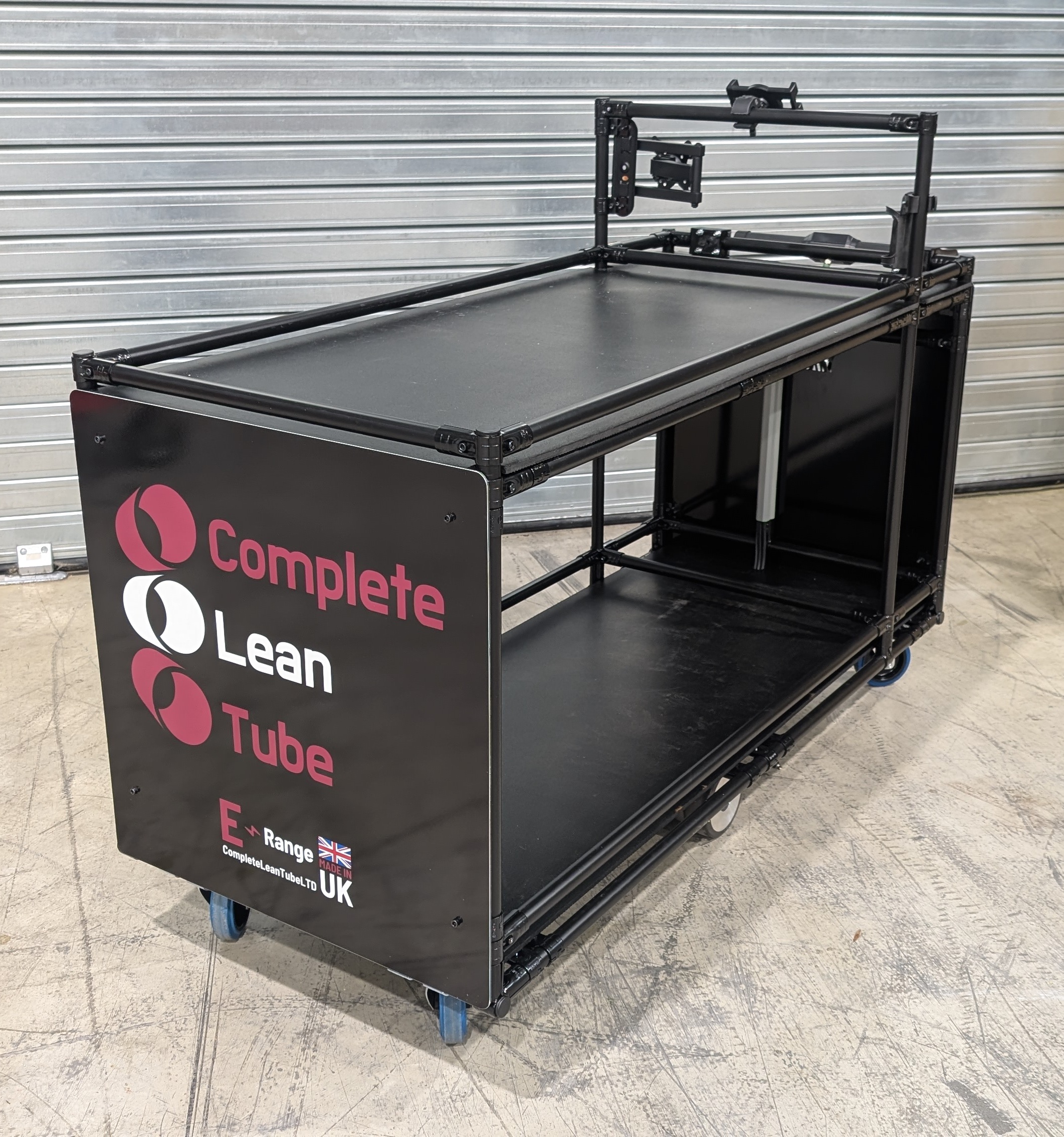
Modularity has become increasingly important. Adjustable structures allow teams to refine layouts, adapt to new product lines and respond to process changes without replacing entire systems. This flexibility supports continuous improvement and helps organisations evolve their environments over time.
Frequently Asked Questions
What determines the right material‑handling solution?It depends on load type, workflow, frequency of movement, ergonomic requirements and available space.
Are modular systems strong enough for industrial use?Correctly designed tube‑and‑joint structures can support significant loads, and fabricated systems can be used for heavier applications.
Can systems be adapted later? Modular systems can be reconfigured, expanded or adjusted as processes change.
Why is FIFO important? FIFO ensures older stock isused first, supporting quality control and predictable flow.
Closing Thought
Material handling is a foundational element of operational performance. When materials move efficiently, processes become safer, faster and more consistent. Whether through trolleys, flow racks, modular workstations or kitting systems, well‑designed handling solutions help teams work with greater clarity and control.
Complete Lean Tube
sales@completeleantube.co.uk t: 01949 358 758
Operating Hours: Mon to Fri 9am-5pm
Unit 6, Barbrey Business Park, Orston Lane, Bottesford, Nottingham, NG13 0GY